

Guide to Activewear Sizing That Actually Fits
Posted by
A waistband that rolls halfway through a walk. A top that feels supportive in the fitting room but shifts during training. These are not minor inconveniences – they change how you move. This guide to activewear sizing is built to help you choose pieces that stay comfortable, supportive, and confident from the first stretch to the last step.
A guide to activewear sizing starts with your body
Your usual dress size is a useful reference, not a final answer. Activewear is designed to sit closer to the body, and each garment uses stretch, compression, paneling, and support differently. A size that feels right in relaxed everyday clothing may feel too loose for high-impact movement or too restrictive in a sculpted performance fabric.
Start with current body dimensions rather than the number on an older label. Measure around the fullest part of your bust, the narrowest part of your waist, and the fullest part of your hips. Keep the tape level and close to the body without pulling it tight. For shorts, hip and upper-thigh dimensions can be especially helpful, since these areas determine whether the fabric stays in place when you squat, walk, or sit.
Use those numbers against the product size chart whenever one is available. If your measurements sit across two sizes, do not assume there is one correct answer. Think about the piece, the activity, and the feeling you prefer. More compression may suit training sessions where you want a held-in fit. A little extra ease may be better for long walks, travel days, or relaxed movement.
Understand the fit you are buying
Not all close-fitting activewear is meant to feel the same. The right size depends on the job the garment needs to do.
A support-focused top should feel secure around the band and stable across the bust, without making breathing feel restricted. The fabric should lie smooth against the body. If the band rides upward, the straps dig in immediately, or you feel pressure at the ribs, try a different size or support level. If the fabric gaps or shifts when you lift your arms, it is likely too large.
Shorts should feel anchored at the waist while allowing full movement through the hips and thighs. Test this before removing tags: squat, step forward, sit down, and raise one knee. The waistband should stay put, seams should not pull, and the leg openings should not pinch. A premium fit is not simply tight. It feels secure without demanding your attention.
Fitted tops should follow your shape without pulling across the chest, shoulders, or back. A little contour is expected in engineered performance apparel, but horizontal tension lines are a warning sign. They often mean the garment is working too hard to stretch around one area, which can limit comfort over time.
Use movement as the real fit test
A mirror can tell you whether a piece looks polished. Movement tells you whether it performs.
Once you have a garment on, take two minutes to test it. Reach overhead, rotate your shoulders, bend forward, and take a few deep breaths. If you are choosing shorts, add a squat and a brisk walk around the room. Notice what happens without adjusting the fabric. Does the waistband stay smooth? Does the top remain in place? Can you move naturally, or are you already tugging at hems and straps?
Pay attention to where pressure builds. Some compression is intentional, especially in styles made for training, but pressure should feel evenly distributed. Sharp digging at the waist, shoulder, thigh, or underarm is unlikely to disappear after an hour of activity. Activewear can soften slightly with wear, yet it should never require a break-in period to become tolerable.
Coverage matters here too. A garment may technically fit while still feeling too short, too exposed during a forward fold, or unstable through faster movement. Your preferred coverage is personal. Choose the cut that lets you focus on your session rather than checking your outfit.
Fabric changes how a size feels
Sizing is not only about numbers. It is also about fabric recovery, thickness, and construction.
A highly elastic fabric can feel compact when first worn, then relax into a supportive second-skin fit as you move. A denser, more compressive material may feel firmer by design and offer a more sculpted sensation. Neither is automatically better. The best choice depends on whether you want gentle everyday comfort, stronger hold for training, or a balance of both.
Look for fabric that returns to shape after stretching. Good recovery helps waistbands stay secure, prevents knees and seats from becoming baggy, and keeps the silhouette refined after repeated wear. Softness also matters. A smooth fabric against the skin reduces distraction during longer walks, warm-up drills, and all-day wear.
Seam placement deserves attention as well. Flat, thoughtfully placed seams can support movement and reduce rubbing. If a seam cuts directly into a sensitive area or bunches when you bend, the issue may be the cut rather than the size. Going up a size will not always solve a construction problem.
When you are between sizes
Being between sizes is common, particularly when your bust, waist, and hips fall into different chart ranges. Choose based on the measurement that matters most for that garment.
For a support top, prioritize the band and bust. For shorts, start with hips and waist. If you have a fuller hip measurement and choose a smaller size only to achieve a tighter waist, the fabric may become overstretched and lose comfort. If your waist is smaller relative to your hips, look for a high-rise design with a supportive, flexible waistband rather than forcing a smaller fit through the lower body.
Sizing down makes sense only when the fabric is designed for stretch and the garment still passes a movement test without pinching, pulling, or becoming sheer. Sizing up can be the smarter choice when you prefer less compression, have broader shoulders, want more length, or plan to wear the piece for low-impact movement and daily comfort.
Do not let a number decide your confidence. The best size is the one that supports your body as it is, not the one that sounds smallest on a label.
Common signs your activewear does not fit
A poor fit usually announces itself early. Rolling waistbands, straps that slip, gaping fabric, restricted breathing, and constant readjustment are clear signals. So are seams that strain, fabric that turns noticeably sheer when you squat, or hems that creep upward with every step.
Less obvious signs can show up after wear. If you finish a walk with deep marks that linger, feel soreness where a waistband pressed in, or avoid reaching fully because a top shifts, reassess the size and style. A garment built for movement should make your routine feel easier, not smaller.
It also helps to separate fit issues from care issues. Heat, harsh washing, and tumble drying can weaken stretch fibers over time. If a piece once felt secure but now slips or loses shape, its performance life may be reaching its end. Proper care protects the fit you chose in the first place.
Choose for the activity, then for your day
One outfit does not need to do everything. A firmer, higher-support fit may feel ideal for intervals, strength sessions, or fast-paced training. For walking, errands, and travel, you may prefer a softer construction with easier stretch and a less compressive waistband. Both can be performance choices when they match your movement.
Think beyond the workout, too. Will you be sitting after training? Layering a jacket over your top? Moving from a morning walk into the rest of your day? The most useful activewear earns its place because it holds its shape, feels good for hours, and looks considered without excess detail.
At SHe.X, fit is part of the performance promise. Premium engineered comfort should support your strength without asking you to compromise on softness, freedom, or confidence.
The final check is simple: when a piece fits well, you stop thinking about it. You move with purpose, your posture changes, and your attention stays where it belongs – on the day ahead.

Recent articles
-
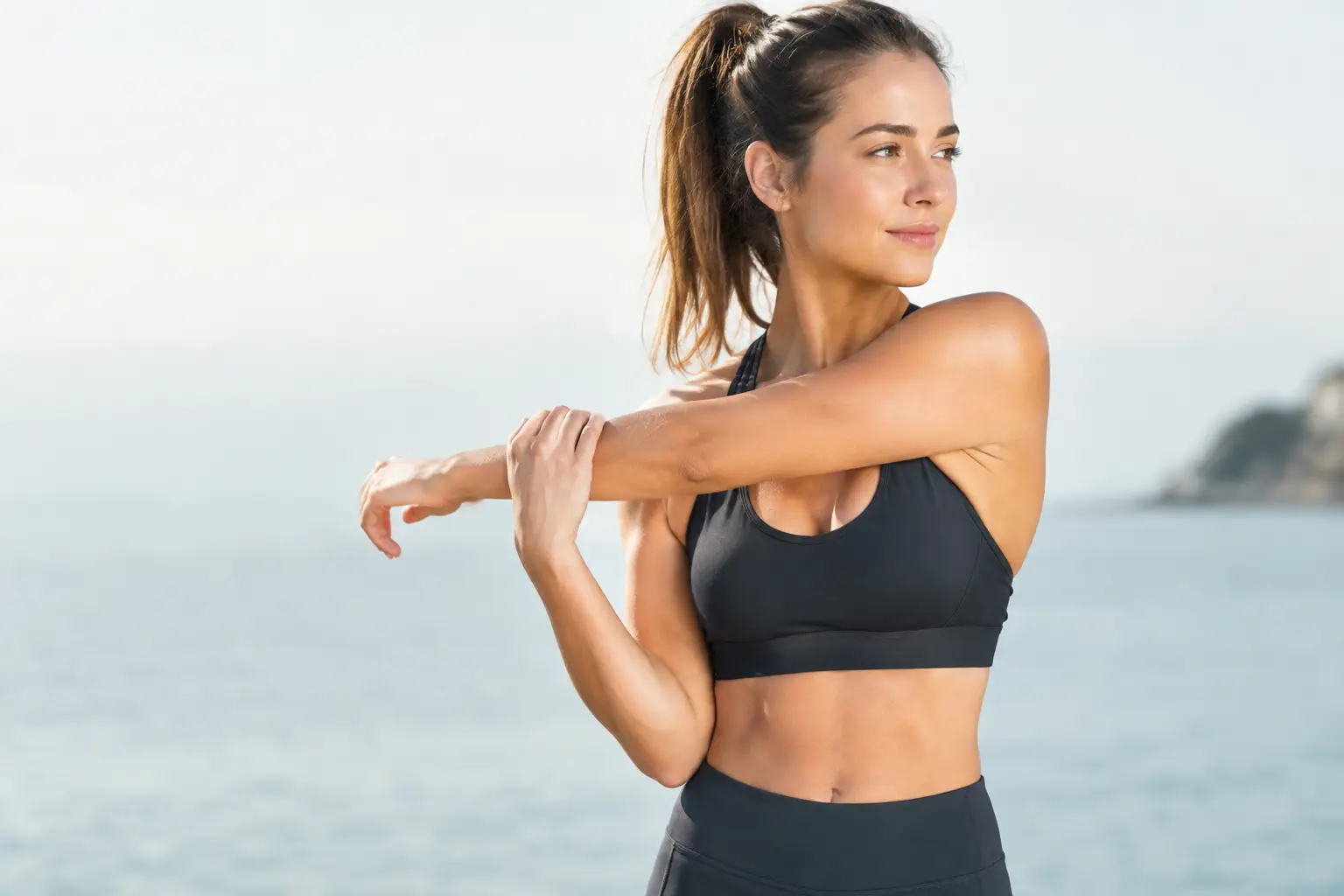
A Guide to Sports Bra Support That Moves With You
Our guide to sports bra support explains fit, impact levels, and construction, so you can choose lasting comfort, confident movement, and strength daily.
-
Guide to Activewear Sizing That Actually Fits
A guide to activewear sizing for finding confident support, flattering coverage, and easy movement through workouts, walks, and daily life every time.

Leave a Reply