
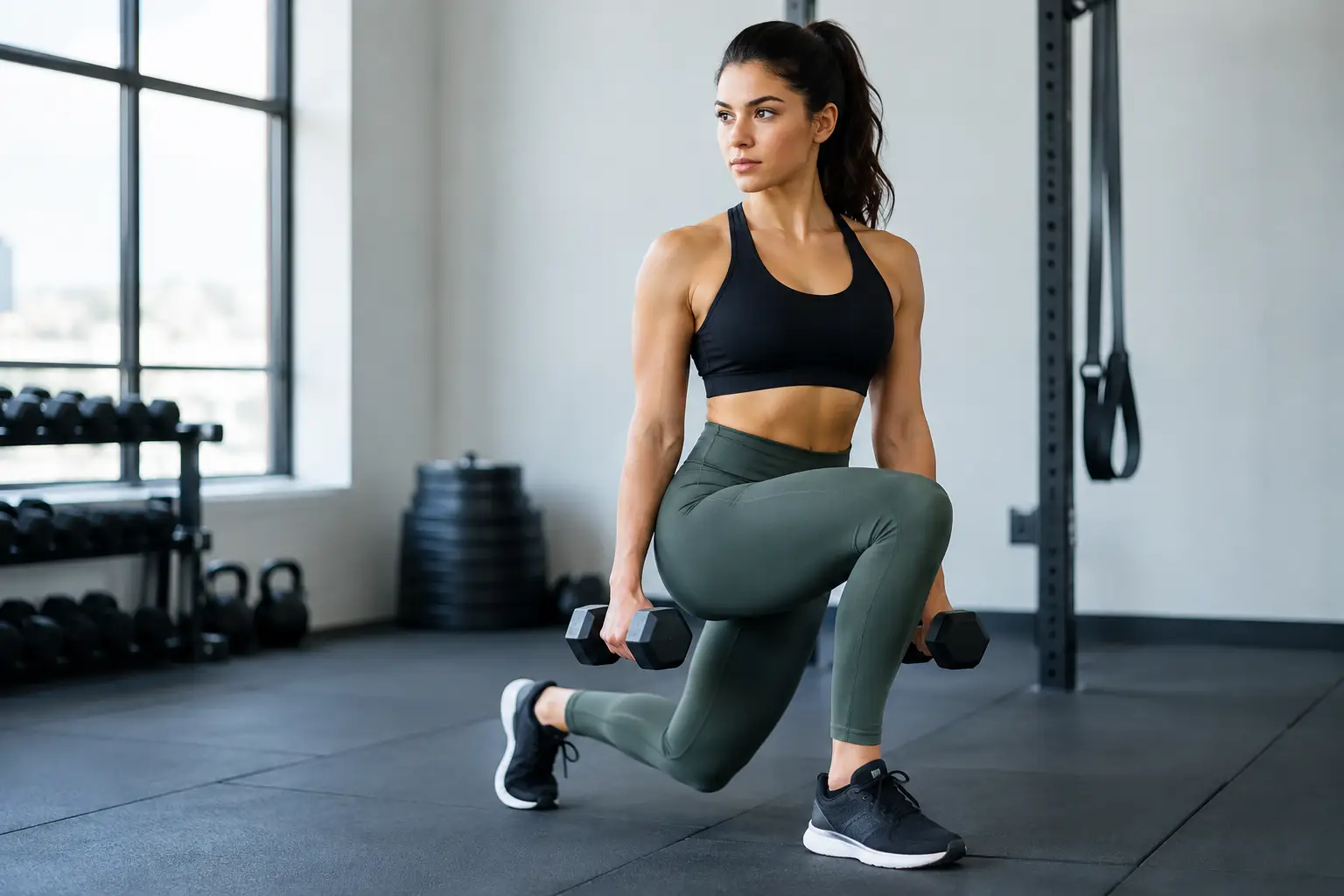
Strength Training Legging Features That Matter
Posted by
A squat should test your strength, not your patience with a waistband that rolls or fabric that turns sheer. The right strength training legging features work quietly in the background: holding their shape, moving with your body, and helping you feel focused from warm-up to the final rep.
For strength sessions, softness alone is not enough. Premium comfort comes from construction that supports movement under load, stays composed through deep ranges of motion, and feels good long after the workout is over.
Strength training legging features start with fit
A reliable fit is the foundation of every great training tight. When you hinge, lunge, squat, or step up, the fabric needs to stay close without digging in. That balance comes from an engineered cut, considered stretch, and a waistband designed to sit securely at the natural waist.
Look for a high-rise waistband with enough structure to remain in place during changing positions. A waistband that is only tight can feel restrictive. One with purposeful recovery offers a more refined result: it feels supportive, then returns to shape without constantly needing adjustment.
The fit through the hips and thighs matters just as much. Too much compression can limit comfort during long sessions. Too little can create bunching behind the knees or a loose, distracted feel through the legs. The best training tights feel streamlined rather than squeezed, following your movement with a secure, flattering hold.
A waistband should support, not distract
Rolling waistbands are often a sign that the balance between fabric tension and construction is off. During strength work, your core bends and braces repeatedly. The waistband should stay flat against the body through that motion.
A clean, wide construction generally distributes pressure more evenly than a narrow elastic edge. It also creates a smoother finish under a training top. The goal is simple: once you are dressed, you should not have to think about your waistband again.
Fabric needs stretch and recovery
Stretch lets a fabric move. Recovery is what brings it back. Both are essential, but recovery is what separates a pair that feels premium for months from one that loses its shape after a handful of wears.
During lower-body work, fabric is placed under pressure at the hips, knees, and seat. A well-engineered performance blend flexes through those areas without becoming baggy or thin. After movement, it returns to its original form, preserving the close fit that makes training feel supported.
Softness still has a place here. Rough, overly slick, or stiff fabric can make even a strong fit feel unpleasant. Seek a smooth hand feel that sits comfortably against the skin while retaining enough density for confidence. SHe.X approaches this balance as premium engineered comfort: softness with purpose, support without unnecessary bulk.
Why fabric weight matters
Thicker does not automatically mean better. Very heavy fabric can feel warm and restrictive, especially when your session includes conditioning work or a brisk walk afterward. Fabric that is too light, however, may lack coverage and lose its composure when stretched.
The right weight depends on how and where you train. For indoor lifting, a medium-weight fabric with reliable opacity and a soft finish can offer a versatile balance. If you prefer cooler studios or train outdoors in colder weather, a denser knit may feel more secure. What matters is that the material remains opaque and supportive in the positions you actually use.
Confidence comes from opacity and coverage
You should be able to move through a full range of motion without second-guessing your clothing. That means checking for squat-proof coverage, especially across the seat and upper thighs where fabric is stretched most.
Opacity is not only about a dark color. It relies on fabric density, yarn quality, stretch behavior, and fit. Even a high-quality fabric can become less opaque if the size is too small and the material is overstretched. A considered fit gives the fabric room to perform as intended.
Before relying on a new pair for a demanding session, test it in natural light and through a deep squat or lunge. This takes seconds, and it tells you more than standing still in a fitting room ever could.
Seams should work with your movement
Seams shape a training tight, but poorly placed seams can create friction and distraction. During repetitive movement, a bulky seam at the inner thigh or a rigid edge at the waistband can become all you notice.
Flat, smooth seam construction helps reduce chafing and keeps the silhouette clean. Placement matters too. Seams should follow the body rather than cut across areas that flex constantly. This is especially valuable for sessions that combine strength work with walking, mobility drills, or longer periods of wear.
Minimal design is more than an aesthetic choice. Fewer unnecessary panels, decorative details, and hard trims can mean fewer elements competing with comfort. A refined pair looks effortless because every line has a function.
Durability is a performance feature
Training apparel earns its place through repeat wear. It should hold its shape after washing, resist pilling from regular friction, and maintain a smooth finish rather than looking tired too soon.
Pay attention to how the fabric feels after several washes, not just on day one. Quality materials and careful construction help preserve stretch recovery, color, and fit. This is where a premium piece proves its value: it remains a pair you reach for, not one you replace after a season.
Care plays a role as well. Washing in cool water, avoiding harsh softeners, and letting performance fabric air dry can help protect elasticity. Heat may speed up laundry, but it can gradually weaken the fibers that create stretch and support.
Choose features for your training style
There is no single perfect training tight for every routine. If your sessions revolve around heavy compound lifts, prioritize a stable high-rise waistband, dependable opacity, and firm recovery. If you move between lifting, mobility, and errands, a softer fabric with moderate support may be the better everyday choice.
Details such as pockets are personal. A side pocket can be useful for a phone during a walk, but some athletes prefer a completely clean line for lifting. Similarly, stronger compression can feel reassuring for one person and overly restrictive for another. The best choice is the one that lets you train without adjusting, pulling, or planning around your clothing.
The standard worth expecting
Strength training asks a lot of your body. Your apparel should meet that effort with fit that stays put, fabric that recovers, coverage that inspires confidence, and construction that lasts.
Choose the pieces that make movement feel clear and capable. When your training tights support every rep without demanding your attention, comfort becomes part of your strength.

Recent articles
-
Strength Training Legging Features That Matter
Strength training legging features that deliver secure support, lasting shape, soft comfort, and confident movement through every demanding set in training.
-
Women’s Sports Bra Guide for Every Workout
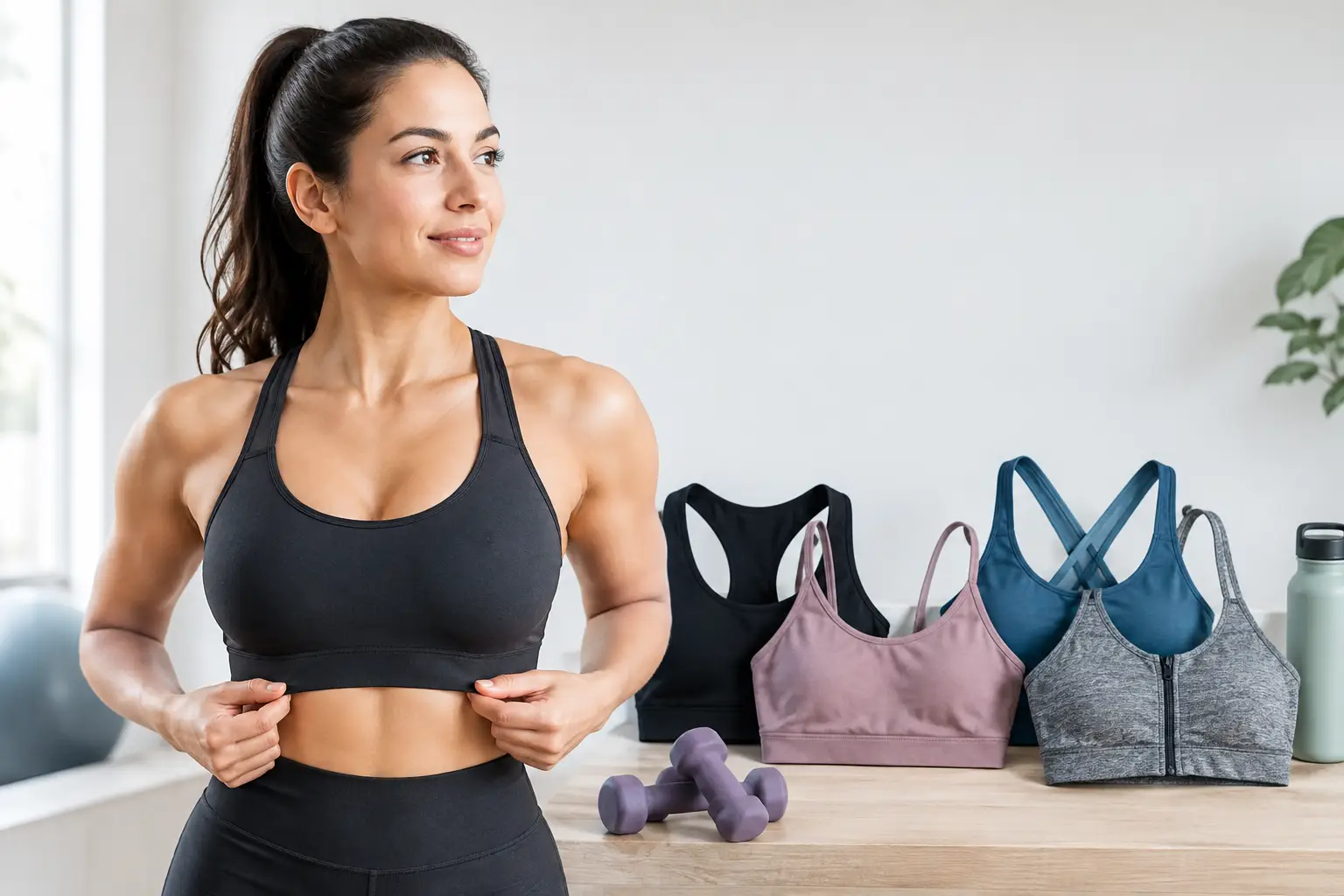
This women’s sports bra guide helps you choose the right support, fit, fabric, and coverage for training, walking, and everyday movement with confidence.

Leave a Reply