
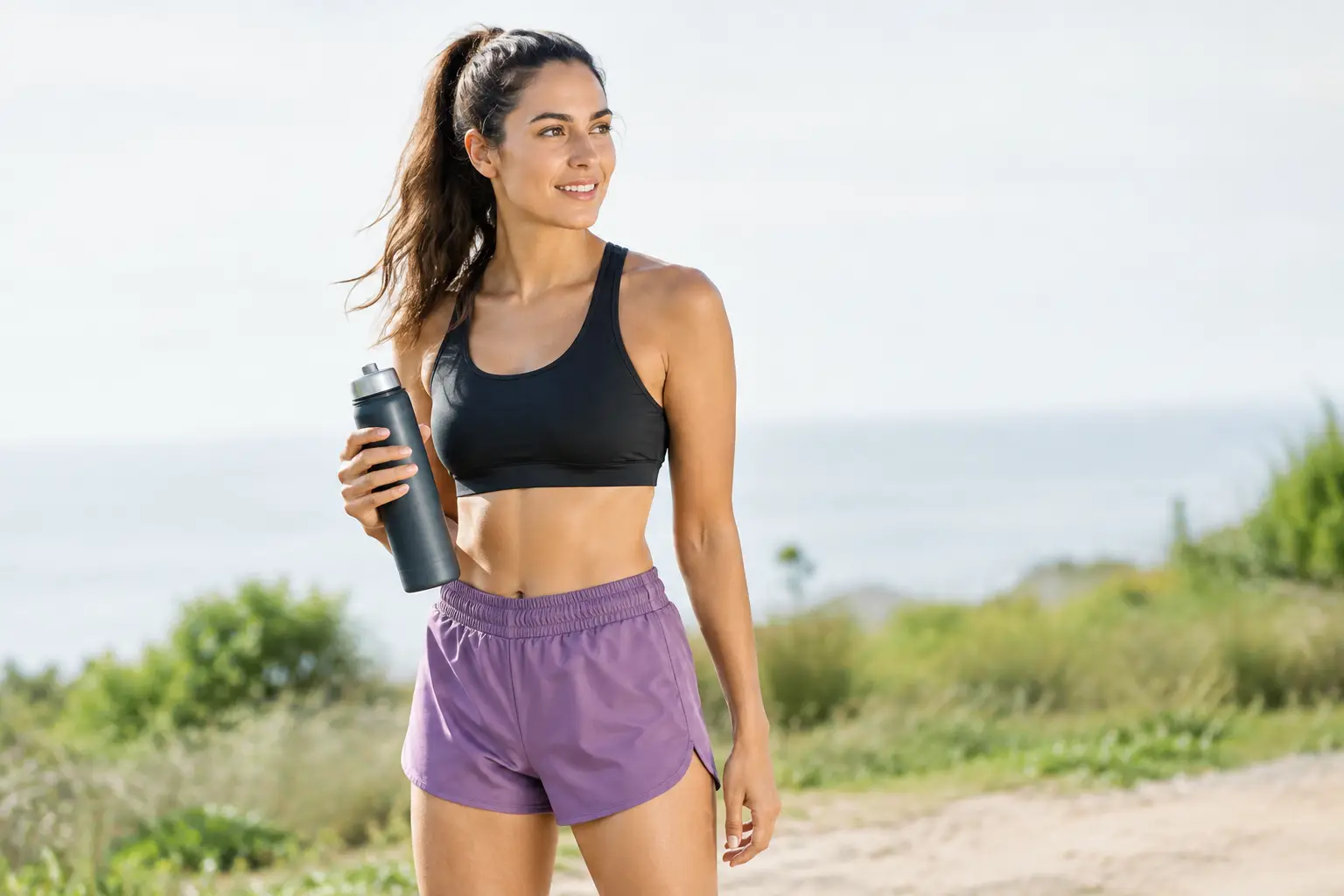
Sport Shorts Review for Women Who Move More
Posted by
The difference between shorts you tolerate and shorts you reach for is felt in the first squat, stride, and stretch. This sport shorts review focuses on the details that determine whether a pair delivers true comfort under pressure: fabric recovery, a secure waistband, purposeful length, and a fit that stays composed while you move.
Premium sportswear should not ask for constant adjustment. It should feel soft against the skin, support your natural motion, and hold its shape long after the first wash. For women who train, walk, travel, or build active routines into every day, that standard is not a luxury. It is the baseline.
Sport Shorts Review: Start With the Fit
A strong pair of sport shorts feels reliable before the workout even starts. The waistband should sit flat and secure without creating pressure at the waist. Too loose, and the shorts shift with every change of pace. Too tight, and they distract from the work in front of you. The best fit creates a held-in feeling without stiffness.
Pay close attention to how the shorts fit through the hips and upper legs. Fabric that pulls across the body can limit a deep squat, fast walk, or floor session. Excess material can bunch and lose its clean silhouette. A refined cut follows the body with enough ease for movement, creating a shape that feels confident rather than restrictive.
Length is personal, but it has a real performance role. Shorter inseams can feel freer for high-output sessions, while a slightly longer cut may offer more coverage for walking, strength training, or all-day wear. There is no universally right length. The right choice is the one that lets you move without thinking about the hem.
Fabric Is Where Comfort Becomes Performance
A soft hand feel matters, but softness alone is not enough. Sport shorts need fabric with stretch, recovery, and resilience. Stretch allows the material to respond as your body moves. Recovery is what brings the fabric back to its original shape instead of leaving it loose, thin, or misshapen over time.
Look for a smooth, substantial material that feels light without feeling fragile. Thin fabric may seem breathable at first, yet it can become less supportive when you bend or move quickly. A more considered fabric construction gives the shorts a polished finish, helps them stay opaque, and creates a more secure feel through active use.
Breathability also depends on context. For a fast training session or warm-weather walk, a lighter fabric can feel exceptional. For strength work, studio routines, or a full day on the go, a denser performance fabric may provide the support and durability you prefer. Premium design is not about making every pair identical. It is about choosing materials with a clear purpose.
The Waistband Should Stay Put, Not Take Over
The waistband is often the deciding feature in any sport shorts review because it controls how the entire piece performs. A well-engineered waistband stays in place through lunges, steps, and seated stretches. It should not roll down, pinch at the sides, or require repeated pulling into position.
High-rise cuts are popular for good reason. They can create a secure, streamlined feel and pair easily with performance tops. Still, height alone does not guarantee comfort. The waistband needs balanced stretch and thoughtful construction so it supports the body rather than pressing against it.
A lower or mid-rise option can work beautifully for women who prefer less coverage at the waist or a more relaxed athletic profile. Here, fit becomes even more important. The shorts should feel anchored without relying on a tight elastic edge. When the construction is right, the waistband disappears from your attention. That is exactly the point.
Movement Reveals Construction Quality
A mirror can tell you whether shorts look good. Movement tells you whether they are well made. Before deciding on a pair, consider how they are likely to perform in the motions you repeat most: a deep bend, a wide step, a short run, a stretch, or the simple walk between appointments.
Flat, carefully placed seams help reduce friction and create a cleaner fit against the body. They also make a difference over time, especially if the shorts are part of a frequent training rotation. Poorly positioned seams can feel fine for ten minutes, then become irritating once heat and motion build.
The gusset area, panel shaping, and edge finishing deserve the same scrutiny. These details are less visible on a product page, but they influence whether the shorts stay comfortable through a complete session. Thoughtful construction gives fabric room to move with you rather than fighting against your range of motion.
Durability should be visible in the way a garment recovers after wear and washing. Quality shorts keep their stretch, retain their color, and maintain a smooth surface instead of becoming rough or slack. That matters when you are investing in fewer, better pieces. A premium pair earns its place by performing repeatedly, not merely by looking good on day one.
A Sport Shorts Review Should Consider Real Life
Training is only one part of how many women wear sport shorts. The same pair may need to handle a morning walk, a strength session, travel, errands, and a quiet hour at home. That makes versatility more valuable than trend-driven design.
Minimal styling often works hardest. A clean silhouette, refined color, and discreet finishing make shorts easier to wear beyond a single workout setting. They can look intentional with a fitted training top, an oversized layer, or a simple tee. The goal is not to make performance apparel look formal. It is to create pieces that feel elevated wherever the day takes you.
Pockets are another useful example of trade-offs. A secure side pocket can be practical for a phone, key, or card during a walk. Yet added panels and seams can change the fit and feel of the shorts. If you rarely carry essentials while active, a streamlined design may be the better choice. If walking is central to your routine, functional storage may be worth prioritizing.
Color also affects versatility. Dark shades are dependable and easy to repeat, especially for high-intensity routines. Lighter tones can bring a fresh, modern look but may require more attention to fabric opacity and care. Neither option is better by default. Choose the color that matches how, where, and how often you expect to wear the piece.
How to Judge Value Beyond the Price Tag
The least expensive shorts are not always the most economical choice. If fabric loses recovery, the waistband rolls, or the fit becomes unreliable after a few washes, replacement comes quickly. A higher-quality pair can offer better value when it holds up through regular use and remains a favorite season after season.
Consider cost per wear rather than the ticket price alone. Shorts that perform for training and daily movement can become one of the most useful pieces in your active wardrobe. That is where premium engineered comfort earns its value: not through unnecessary extras, but through materials and construction you notice every time you put them on.
SHe.X approaches this balance with a clear idea: support should feel natural, and comfort should look considered. The strongest sport shorts are not designed to demand attention. They are designed to let you give your attention to your movement, your goals, and the confidence that comes from feeling fully at ease in what you wear.
Choose the pair that supports the way you actually move, not the version of activity a trend tells you to perform. When fit, fabric, and construction work together, getting dressed becomes one less thing to manage and one more reason to move with purpose.

Recent articles
-
Sport Shorts Review for Women Who Move More
Sport shorts review for active women: see how fabric, fit, waistband support, and durable construction shape comfort for training, walks, and daily wear.
-
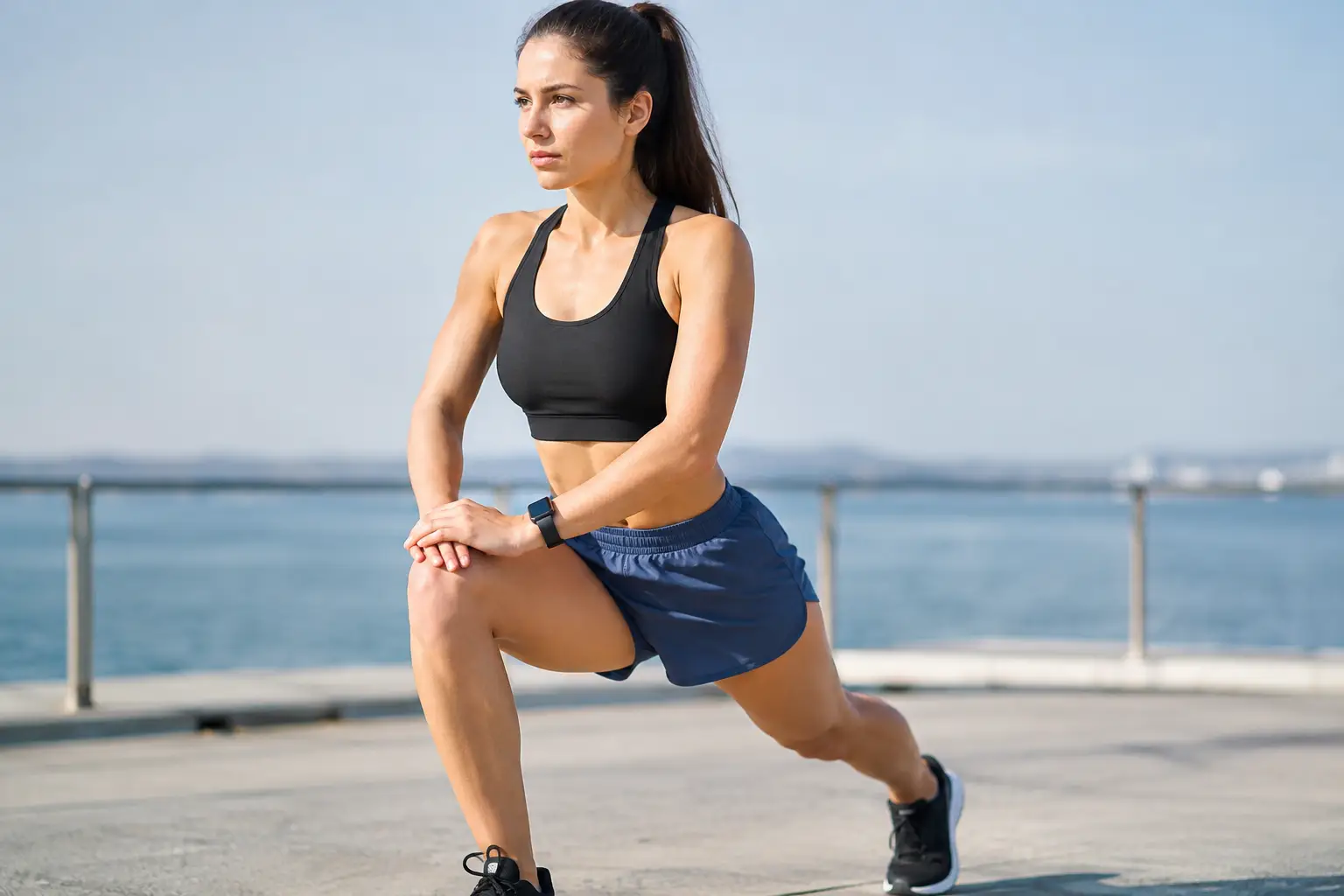
Can Sport Shorts Prevent Chafing During Workouts?
Can sport shorts prevent chafing? Learn how fit, fabric, seams, and length work together to keep every walk, workout, and run more comfortable daily.

Leave a Reply