
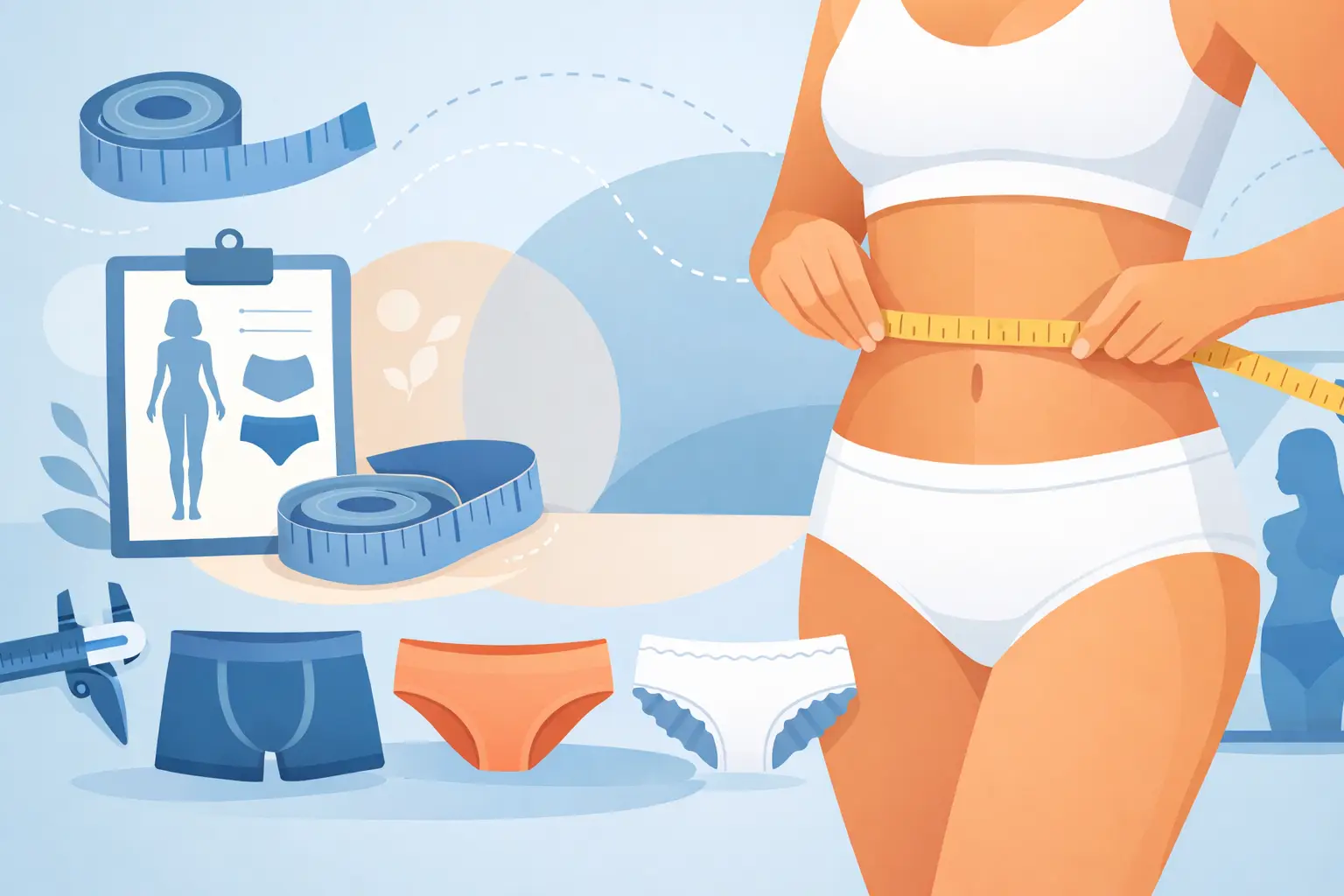
How to Measure Underwear Size for a Better Fit
Posted by
A waistband that rolls, a pouch that pulls, fabric that bunches under your jeans – these are not small annoyances. They affect how you move all day. Knowing how to measure underwear size takes less than two minutes and gives you a far better starting point than guessing from the size of your pants.
The goal is not simply to find a number on a label. It is to find underwear that stays in place, supports without squeezing, and feels right from the first commute to the last set at the gym.
How to Measure Underwear Size Accurately
You need a flexible measuring tape, a mirror if you want to check placement, and a pair of close-fitting underwear or lightweight shorts. Avoid measuring over jeans, sweatpants, or anything with a thick waistband. Extra fabric adds inches and leads to a size that feels loose once you put on your boxers.
Measure while standing naturally. Do not suck in your stomach, flex your core, or pull the tape as tight as possible. Underwear is built to work with your body in motion, not a measurement taken while bracing for impact.
Measure where your underwear actually sits
For most men’s boxer briefs and trunks, measure around the point where you wear the waistband. This is often below your natural waist and around the upper hips. Your natural waist is the narrowest part of your torso, usually above the navel. Your underwear waistband may sit lower.
Wrap the tape around your body so it is level all the way around. It should lie flat against the skin without digging in. Breathe normally, then record the measurement in inches or centimeters. If the tape overlaps at 34 inches, your underwear measurement is 34 inches.
This is the number to compare with the brand’s size chart. Do not assume every brand uses the same system. A medium in one label can fit like a large in another because cuts, fabric stretch, and intended waistband placement vary.
If you do not have a measuring tape
Use a piece of string, a charging cable, or any non-stretch cord. Wrap it around the same point on your body, mark where the ends meet, then lay it flat beside a ruler or tape measure. It is not as precise as a flexible tape, but it is more reliable than choosing a size based on habit.
Do not use the waist measurement printed inside your jeans as your only reference. Denim sizing can be inconsistent, vanity sizing is common, and trouser waist placement is not always the same as underwear waist placement.
Read the Size Chart, Not the Letter
Small, medium, large, and extra-large make shopping fast. They do not make fit universal. The measurement range behind each letter is what matters.
Start with your measured waist, then find the range that contains it. If you measure 33 inches and a medium covers 32 to 34 inches, medium is your logical starting point. If you measure 34.5 inches and the next size begins at 35, the choice depends on how you want the underwear to feel and how much stretch the fabric offers.
Modal-rich underwear often has meaningful stretch and recovery. That gives it a close, body-following fit without the rigid feel of lower-quality cotton. Still, stretch is not permission to size down aggressively. A waistband that feels powerful in the mirror but leaves deep marks after a workday is too tight.
Pay attention to whether the size chart uses body measurements or garment measurements. A body-waist chart tells you which size is designed for your body. A garment-waist chart may show the underwear laid flat or measured unstretched. Those are different numbers. When in doubt, use the body measurement and the brand’s stated fit guidance.
Between Underwear Sizes? Choose for Your Build and Movement
Landing between sizes is normal. The right call depends on your shape, your preferred fit, and where you demand the most comfort.
Choose the smaller size when you have a lean build, prefer a secure athletic fit, and the fabric is designed with strong stretch and recovery. The smaller option should feel close, not compressed. It should move with you through squats, stairs, cycling, and long hours sitting without forcing constant adjustments.
Choose the larger size if you have fuller thighs or glutes, carry more size through the hips, or dislike a tight waistband. It can also be the better move if your measurement sits at the very top of a range. The right larger size should remain stable at the waist, not slide down or gather under your pants.
Your training can influence the decision too. Men who lift, cycle, or play field sports often need more room through the seat and thighs than a waist-only measurement suggests. In that case, prioritize a cut with a shaped pouch and enough leg opening to prevent restriction. Sizing up is not automatically the answer. Sometimes the real issue is a cut that does not match your build.
Check the Fit Once You Put Them On
A tape measure gets you close. Wear testing confirms the result. Put on a fresh pair and assess the fit before you remove the tags or wash them, following the brand’s return policy.
A well-fitting pair of boxer briefs should sit flat around the waist. The waistband should feel secure but easy to slide a finger under. The pouch should hold you in a natural position, without flattening, pulling, or creating excess empty fabric. Through the thighs, the legs should stay smooth without squeezing or riding upward immediately.
Move before you decide. Walk across the room, sit down, raise a knee, squat, and bend to pick something up. Quality underwear should maintain its position through ordinary movement. You should not need to hike the legs down, shift the pouch, or pull the waistband back into place.
Four signs usually point to the wrong size or wrong cut:
- Deep red marks or numbness around the waist mean the fit is too tight.
- A waistband that slides or rolls suggests the size is too large or the rise does not suit you.
- Fabric that gathers under the seat or at the pouch indicates excess room.
- Legs that creep upward can mean the thigh opening is too loose, too tight, or simply not shaped for your build.
Give a new pair a few minutes, not an entire uncomfortable day. Premium fabric can settle slightly against the body, but it should never require a break-in period to become wearable.
Waist Size Is Not the Whole Story
Two men with the same 34-inch measurement can need different underwear. One may have narrow hips and lean legs; the other may have powerful quads, a fuller seat, or a longer torso. That is why the best underwear fit combines the right measurement with thoughtful construction.
Look for a waistband that holds without excessive tension, a pouch designed to separate and support, and fabric with enough recovery to return to shape after movement and washing. Flat seams and a clean leg design matter too. They reduce friction and keep the profile smooth under tailored pants, denim, or training gear.
Rise also changes the experience. A lower rise can feel clean under low-waist pants but may shift more on a longer torso. A mid-rise design offers more coverage and stability for everyday wear. Neither is universally better. The right one is the style that stays where you want it without becoming something you notice every hour.
Recheck Your Size When Your Body Changes
Your underwear size is not a permanent identity. Re-measure after a significant change in weight, a new training phase, or a shift in how your clothes fit. Muscle gain through the glutes and thighs can change the fit of boxer briefs even when your waist measurement barely moves.
It is also worth checking after replacing old underwear. Worn-out waistbands and overstretched fabric can make a too-large pair feel normal over time. A properly engineered pair, such as those from He.X Underwear, may feel more supportive at first because it is actually holding its shape.
Measure honestly, choose from the chart rather than the letter you have always bought, and test the fit in motion. The right underwear should disappear from your attention while giving you a stronger foundation for everything you do.

Recent articles
-
A Guide to Sports Bra Support That Moves With You
Our guide to sports bra support explains fit, impact levels, and construction, so you can choose lasting comfort, confident movement, and strength daily.
-

Guide to Activewear Sizing That Actually Fits
A guide to activewear sizing for finding confident support, flattering coverage, and easy movement through workouts, walks, and daily life every time.

Leave a Reply