
How to Stop Inner Thigh Chafing for Good
Posted by
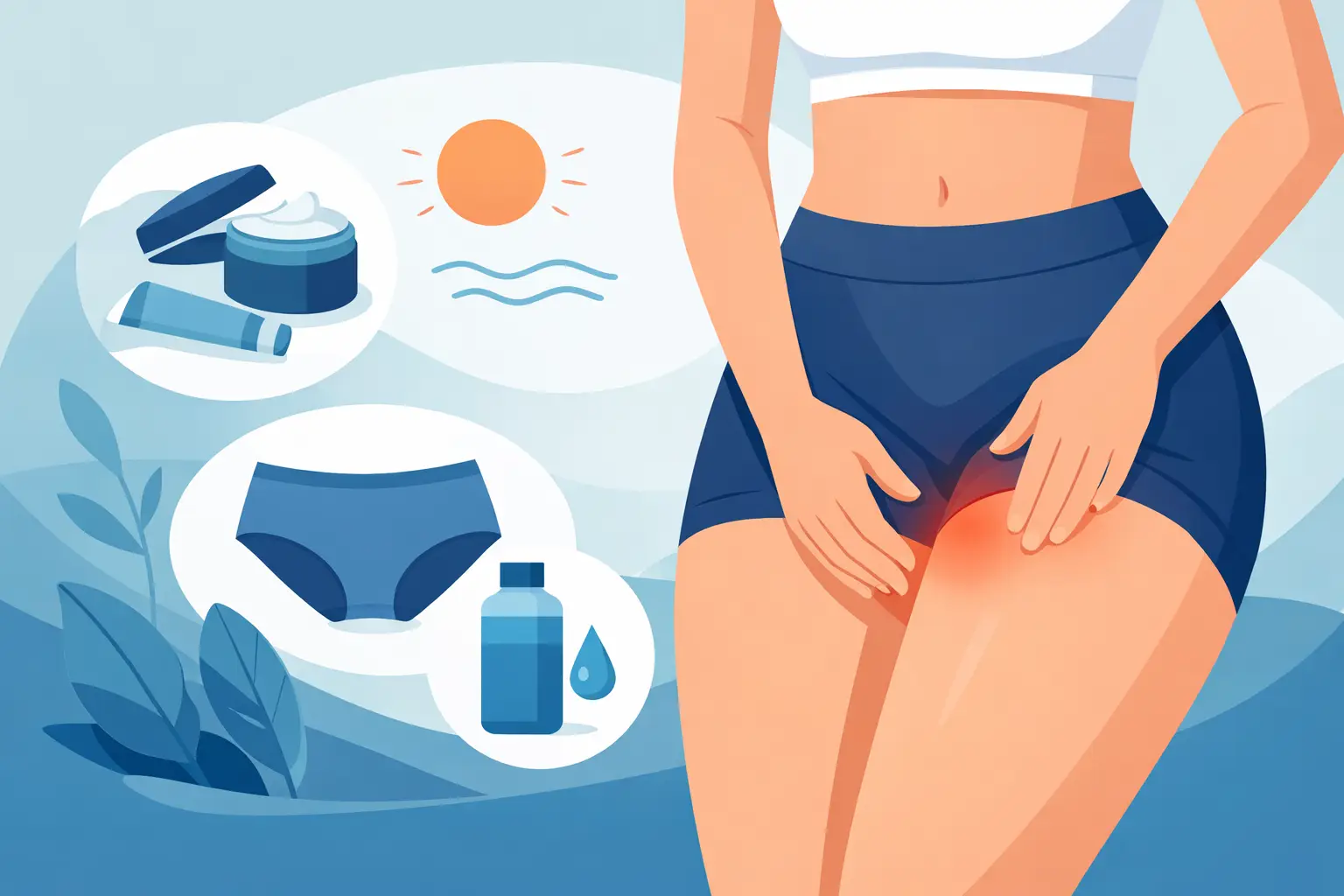
Inner-thigh chafing can turn a strong training session, a long travel day, or an ordinary walk into a painful distraction. Knowing how to stop inner thigh chafing comes down to controlling friction, moisture, and fit – starting with the layer closest to your skin.
This is not a problem you need to just tolerate. The right fabric, the right cut, and a few practical adjustments can keep you moving with less irritation and more confidence.
Why Inner Thigh Chafing Happens
Chafing is friction damage. When the skin on your inner thighs repeatedly rubs together, the outer layer becomes irritated. Add sweat, heat, salt, or rough fabric, and that irritation can become raw, burning, and hard to ignore.
It can happen to men of every build. Thigh shape, gait, activity level, humidity, and clothing all play a role. You are more likely to deal with it during running, cycling, hiking, gym sessions, long walks, or any day spent in warm conditions. But it can also show up under work clothes when underwear rides up or traps moisture.
The goal is simple: create a smooth barrier that stays in place, manages sweat, and reduces skin-on-skin contact.
Start With Underwear That Does Its Job
Your underwear is either helping the problem or causing it. Loose boxer shorts can bunch up and leave the upper thigh exposed. Underwear that is too tight can dig in, roll, and create hot spots. Worn-out pairs lose their shape, then shift when you move.
A supportive boxer brief with enough leg length is often the most effective first move. The fabric should cover the area where rubbing starts and remain stable through squats, stairs, walking, and long periods of sitting. If the legs ride up within an hour, the fit is wrong for your body and routine.
Fabric matters just as much. Heavy cotton can feel familiar, but it absorbs sweat and can stay damp. That increases friction. Technical synthetics can dry quickly, though some men find lower-quality versions stiff, hot, or prone to holding odor. Modal offers a strong middle ground: soft against skin, breathable, and better at handling everyday moisture than basic cotton.
A premium pair such as He.X Underwear is designed around that principle: supportive structure, smooth modal fabric, and a fit made to stay composed in motion. The point is not extra bulk. It is dependable coverage where it counts.
Get the fit right
Size charts are useful, but how underwear behaves when you move matters more. Your waistband should sit securely without leaving deep marks. The pouch should provide support without compressing. Around the thighs, the fabric should lie flat rather than pinch or curl.
If you are between sizes, think about your use case. Men who train hard or have larger thighs may prefer the size that gives more room through the leg, provided the waistband still holds securely. For everyday office wear, a closer fit may work well if the fabric remains smooth and does not ride up.
Use an Anti-Chafe Barrier Before You Move
When you know you will be sweating or walking for hours, an anti-chafe product adds another line of defense. Body glide sticks, anti-chafing balms, and protective creams create a light barrier so skin slides instead of rubs.
Apply it to clean, dry skin before activity. Cover the full area where your thighs make contact, not only the place that was irritated last time. Reapply on long runs, hikes, or hot days if sweat and movement wear the barrier away.
Powders can help with moisture, but they are not always enough on their own. They can clump once heavily wet, and clumps can create more friction. A balm is usually the better choice for sustained movement. If you use powder, treat it as a moisture-control supplement rather than the main solution.
Avoid heavily fragranced products on already irritated skin. They can sting and make the area feel worse. Simple, skin-friendly formulas are the smarter choice.
Keep Sweat From Staying Put
Moisture turns ordinary friction into chafing fast. You cannot eliminate sweat during a hard session, and you should not try to. You can prevent it from sitting against your skin for too long.
Choose breathable underwear and shorts or pants that do not trap heat. For training, avoid doubling up on thick layers unless conditions require it. For travel or summer days, pack a spare pair of underwear if you expect to be on your feet for hours. Changing out of damp fabric can make a bigger difference than another layer of deodorant or powder.
After exercise, change promptly. Sitting in sweaty gear on the drive home extends the exposure that causes irritation. Shower when you can, pat the area dry, and put on clean, dry underwear. Do not aggressively rub the skin with a towel. That adds friction when the area is already sensitive.
Choose Outerwear That Moves Cleanly
Underwear handles the first layer of protection, but your shorts and pants still matter. Tight seams, rough fabrics, and restrictive cuts can push fabric into the inner thigh and make chafing worse.
For workouts, look for shorts that allow a full stride without dragging across the thighs. Some men do best in lined training shorts. Others prefer a smooth boxer brief under unlined shorts. There is no single winner. The right setup is the one that stays put and lets your legs move naturally.
For jeans, chinos, and tailored pants, watch for a tight rise or excess tension across the seat and upper leg. If your pants pull every time you sit, climb stairs, or take a wider step, that friction transfers to the underwear and skin underneath. A cleaner fit gives you room to move without looking oversized.
What to Do When Chafing Has Already Started
Once skin is raw, switch from prevention mode to recovery mode. Wash the area gently with lukewarm water and mild soap, then pat dry. Apply a simple protective ointment or soothing barrier product to reduce rubbing while the skin heals.
Give the area a break from hard training if movement causes sharp pain. Loose, breathable clothing can help at home, but do not wear loose underwear for a long active day if it leaves your thighs exposed to more rubbing. Recovery still needs protection.
Do not scrub, exfoliate, or use alcohol-based products on broken skin. And do not assume every rash is chafing. Seek medical advice if you notice spreading redness, swelling, pus, fever, severe pain, or symptoms that do not improve after a few days. A fungal rash, infection, or skin condition needs different treatment.
Build a Chafing-Proof Routine
The most effective routine is not complicated. Wear underwear with stable thigh coverage. Use an anti-chafe balm when heat and distance are part of the plan. Change quickly after sweat-heavy activity. Replace pairs that have stretched out, thinned, or lost their ability to stay in place.
Pay attention to patterns. If chafing only happens on runs, the issue may be your running shorts or a missing barrier product. If it happens during workdays, look at your underwear fit, fabric, and the cut of your pants. If it appears in hot weather only, moisture management is likely the weak point.
Your body moves all day. Your underwear should be built to move with it, not become another thing you have to think about. Get the fit and fabric right, protect high-friction areas when needed, and keep going without the burn.

Recent articles
-

A Guide to Sports Bra Support That Moves With You
Our guide to sports bra support explains fit, impact levels, and construction, so you can choose lasting comfort, confident movement, and strength daily.
-

Guide to Activewear Sizing That Actually Fits
A guide to activewear sizing for finding confident support, flattering coverage, and easy movement through workouts, walks, and daily life every time.

Leave a Reply