
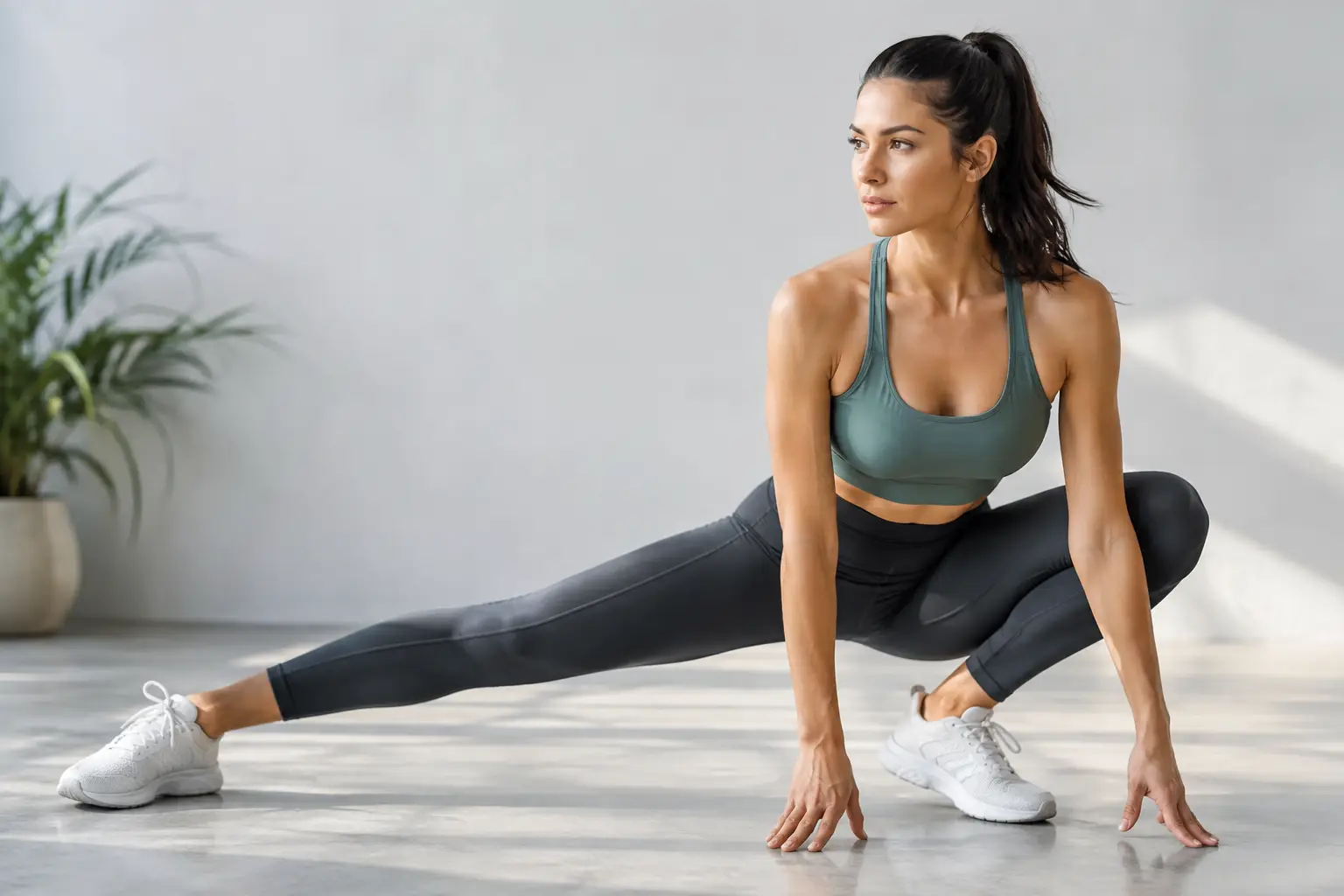
Women’s Gym Clothes for Mobility That Move With You
Posted by
A deep squat reveals everything. A waistband that rolls, leggings that turn sheer, a bra strap that slips, or fabric that pulls across the hips can take your attention away from the movement itself. Women’s gym clothes for mobility are not simply clothes with stretch. They are performance pieces designed to move in the same direction you do.
Whether your training includes strength work, Pilates, running, yoga, long walks, or all of the above, the right fit gives you one less thing to manage. That is what premium comfort should do: disappear when you move and hold its shape when the session gets demanding.
What Mobility Really Means in Gym Clothes
Mobility is often reduced to fabric stretch. Stretch matters, but it is only one part of the equation. A garment can be highly elastic and still feel restrictive if the seams sit in the wrong place, the rise is too short, or the compression is too aggressive for the activity.
True mobility comes from the relationship between fabric, cut, and recovery. The fabric needs enough give for a deep lunge or overhead press. The pattern needs to follow the body’s natural lines rather than fight them. Then, after each bend, stride, and squat, the garment needs to return to shape instead of bagging out.
That last point separates performance apparel from disposable basics. A pair of leggings that feels great for ten minutes but needs constant pulling up is not supporting your workout. A sports bra that is soft but loses structure under impact is not delivering confidence. Mobility is freedom with control.
Start With the Movement You Actually Do
There is no single perfect set for every form of training. The woman moving through a reformer Pilates class needs something different from the woman lifting heavy, running intervals, or spending a full day in motion after an early workout.
For yoga, Pilates, and mobility training, look for soft, low-friction fabrics with a smooth hand feel and a flexible waistband. These sessions ask for deep hip flexion, spinal rotation, and long holds. Clothing should feel close to the body without digging in at the waist or behind the knees.
For strength training, prioritize secure coverage and fabric recovery. Squats, deadlifts, step-ups, and split squats place repeated demand on the seat, thighs, and waistband. Leggings or shorts should remain opaque and stable when you reach full depth. A higher rise can be useful here, but only when it sits flat rather than pressing into the ribs.
For running and high-intensity work, support and moisture management move higher on the list. A supportive bra, a stay-put waistband, and fabric that does not become heavy with sweat help you stay focused. More compression can feel excellent during faster movement, although too much can limit comfort in lunges, floor work, or longer recovery stretches.
For walking, travel, and everyday wear, the best option is often the most balanced one. You want enough support to feel held, enough softness to wear for hours, and enough durability to keep the fit you loved after repeated washing.
The Fabric Test: Stretch Is Not Enough
The most comfortable women’s gym clothes for mobility use fabric with four-way stretch and reliable recovery. Four-way stretch means the material moves both lengthwise and crosswise, which is especially valuable when your workout combines lower-body training with twisting, reaching, and floor work.
But do not judge performance by stretch alone. Very thin fabric may feel unrestricted initially, yet offer poor coverage, little support, and limited durability. On the other hand, dense compression fabric can feel powerful for running or lifting but may be too firm for a slow-flow class or an all-day schedule.
Look for a fabric that feels smooth against skin, holds without feeling stiff, and returns cleanly after being stretched. The right material should not become rough after a few washes or leave you feeling overheated halfway through a session. Softness is not an extra. When fabric stays comfortable against the skin, it becomes part of your performance.
Fit Details That Protect Your Range of Motion
Small construction decisions determine whether gym clothes work with your body or require constant adjustment. A thoughtfully placed gusset, for example, gives leggings and fitted shorts more room through the crotch and inner thigh. This matters when you squat, cycle, climb stairs, or move through wide-stance exercises.
Seams deserve the same attention. Flat, smooth seams reduce rubbing during repetitive movement, while seams placed away from high-friction areas can make a major difference on longer runs and walks. If a seam feels noticeable in the fitting room, it will feel louder after an hour of movement.
Waistbands should feel secure, not punitive. A wide waistband can distribute pressure more evenly and create a cleaner line, but width alone does not guarantee comfort. The waistband needs enough structure to stay in place without rolling over when you sit, hinge, or bend. Test it with a few bodyweight squats and a forward fold before deciding.
For tops and bras, check your reach. Raise both arms overhead, rotate through the shoulders, and take a deep breath. If the band rides up, the straps slide, or the neckline shifts more than you want, the fit is not working hard enough. Support should feel composed, never distracting.
How to Choose the Right Level of Support
Support is personal, and it changes with the workout. The goal is not always maximum compression. The goal is the right amount of security for the way you move.
Low-support bras and lighter compression leggings can be ideal for walking, yoga, Pilates, and recovery days. They allow easy breathing and a less restricted feel. Medium support is a versatile choice for strength training, studio classes, and faster walking because it balances hold with flexibility.
High support becomes more valuable for running, jumping, and high-impact intervals. Here, a more structured bra and stable fabric can reduce movement and help you stay focused. The trade-off is that high-support pieces may feel less relaxed for long periods of wear. If your day includes training, errands, and travel, a medium-support option may serve you better.
This is where a well-built activewear wardrobe earns its place. Instead of buying more pieces that do one thing poorly, choose a few that match your real routine with precision.
A Better Fitting Room Check
Do not stand still and call it a fit test. Movement exposes the truth quickly. Wear the piece for several minutes and try the motions you use most: squat low, lunge back, hinge forward, reach overhead, twist, and walk around.
Pay attention to what happens next. Does the waistband stay level? Does the fabric remain opaque? Do the straps stay where they belong? Can you breathe fully without feeling squeezed? If you are already adjusting the garment before your first workout, it will not improve once heat and sweat enter the picture.
Also consider size without attaching judgment to the number on the tag. Performance fit should be assessed by comfort, coverage, and range of motion. If a smaller size creates pulling across the hips or turns the fabric sheer, it is not a more supportive choice. It is simply the wrong fit.
Build a Mobility-First Rotation
A strong rotation does not need to be complicated. Start with one pair of leggings or fitted shorts that feels dependable for lower-body sessions, one flexible set for Pilates or yoga, and a bra that matches your highest-impact workout. Then add versatile layers that work before and after training.
Choose colors and silhouettes you will reach for repeatedly. Minimal design has a practical advantage: it moves easily from workout to walk, coffee run to travel day, without feeling overly technical or trend-driven. Pieces such as those from SHe.X are designed around that balance – engineered comfort, clean lines, and support that feels natural in motion.
Care matters, too. Heat, harsh detergent, and over-washing can weaken elastic fibers over time. Follow the care label, avoid fabric softener when recommended, and give your most-used pieces time to recover between sessions. Premium apparel should earn its cost through repeated wear, not a single good workout.
The best gym clothes do not ask you to shrink your movement to fit the garment. They support the way you train now, then stay ready for the next squat, stretch, stride, or unexpected change of plans.

Recent articles
-
A Guide to Sports Bra Support That Moves With You
Our guide to sports bra support explains fit, impact levels, and construction, so you can choose lasting comfort, confident movement, and strength daily.
-

Guide to Activewear Sizing That Actually Fits
A guide to activewear sizing for finding confident support, flattering coverage, and easy movement through workouts, walks, and daily life every time.

Leave a Reply